TRT: 1:45
STAND UP: N-95 masks, gloves, and face shields are not typical battlefield attire, but hospitals are not typical war zones. While many have been leading quiet lives in seclusion for more than a month, medical professionals have been embroiled in a war of many fronts since the COVID-19 pandemic entered our borders. And the war is as dangerous for hospital staff as it is for anyone else. (Shot across the street from the UIHC on Hawkins Drive. Lower third: Rani Simawe, @RSim)
JAMIE CASLAVKA, BURN/TRAUMA NURSE, UIHC SOT: We wear a face shield along with a mask for the duration of 12-14 hour shifts. It helps us protect ourselves along with the patients. Admittedly, it is uncomfortable, but it’s worth the discomfort considering our situation. (Lower third: Jamie Caslavka, Burn/Trauma Unit)
VO: A situation which continues to escalate in our state. As Iowa approaches the peak of cases and deaths resulting from COVID-19, the difficulties that come with patient care increase. Staff hospital wide need to be trained in preparation for the anticipated rise in COVID-19 patients entering the hospital. (B-roll: wide shot of the front of the hospital, medium shot including the fountain in front of the hospital.)
JAMIE: Cross-training and formal training on how to deal with pandemics needs to be a part of continued education so more health care professionals feel prepared in case they need to take on a different patient population.
VO: Yet, as prepared as hospitals try to be in dealing with this pandemic, the risk remains. Given their close proximity to COVID-19 patients, hospital staff risk not only getting COVID-19, but getting a heavier viral dose of the illness than the rest of the population. (B-roll: medium shot of hospital hallway near the elevators, tight shot of sign directing patients to the ICU.)
ASH EASTHAM, ICU NURSE, UIHC SOT: My therapist was like, “You’re sick. You’re gone, but you’ll be fine. You have a heavy viral load, so you don’t have a lot of energy.” Then I started coughing, feeling out of breath. Chest hurts, lying down all the time. (Lower third: Ash Eastham, mICU Nurse)
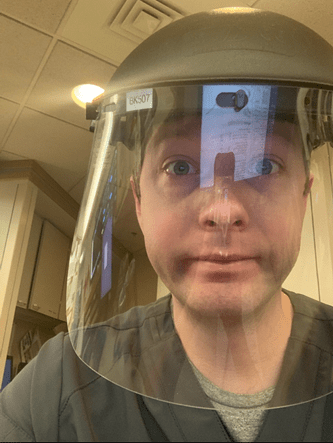
VO: When hospital staff exhibit symptoms of COVID-19, not only are there concerns about their well-being, but hospitals must contend with diminished staff as medical professionals get sidelined. (Still photo of Ash wearing a face shield.)
ASH SOT: I haven’t worked for a week and a half. My temperature is 101.5, which is not very encouraging.
VO: Despite the risks that come with being on the frontlines of the pandemic, medical professionals understand the need for their skills. And they know there is no time to be afraid over the course of a hospital shift. (B-roll: Close up of hospital staff in full medical gear)
JAMIE SOT: I am not afraid to put myself at risk by helping people. It’s been a part of my job before the pandemic and it will continue after it, too. I didn’t go into nursing to have a “safe” job. I understand the risks.
STAND UP: And the risks continue as the fight heats up. With the peak projected to hit soon, hospital workers are who stand between us and the COVID-19 pandemic. This is Rani Simawe, with DI TV.